Cashless society resistance is emerging as a significant social and economic issue as governments and businesses accelerate the shift toward digital payments. While proponents argue that reducing physical cash improves efficiency, transparency, and innovation, many communities remain hesitant or openly opposed to a fully cashless future. Concerns around financial inclusion, privacy, accessibility, and resilience have intensified the debate. As payment technologies expand rapidly, understanding why cashless society resistance persists is essential for designing systems that work for everyone.
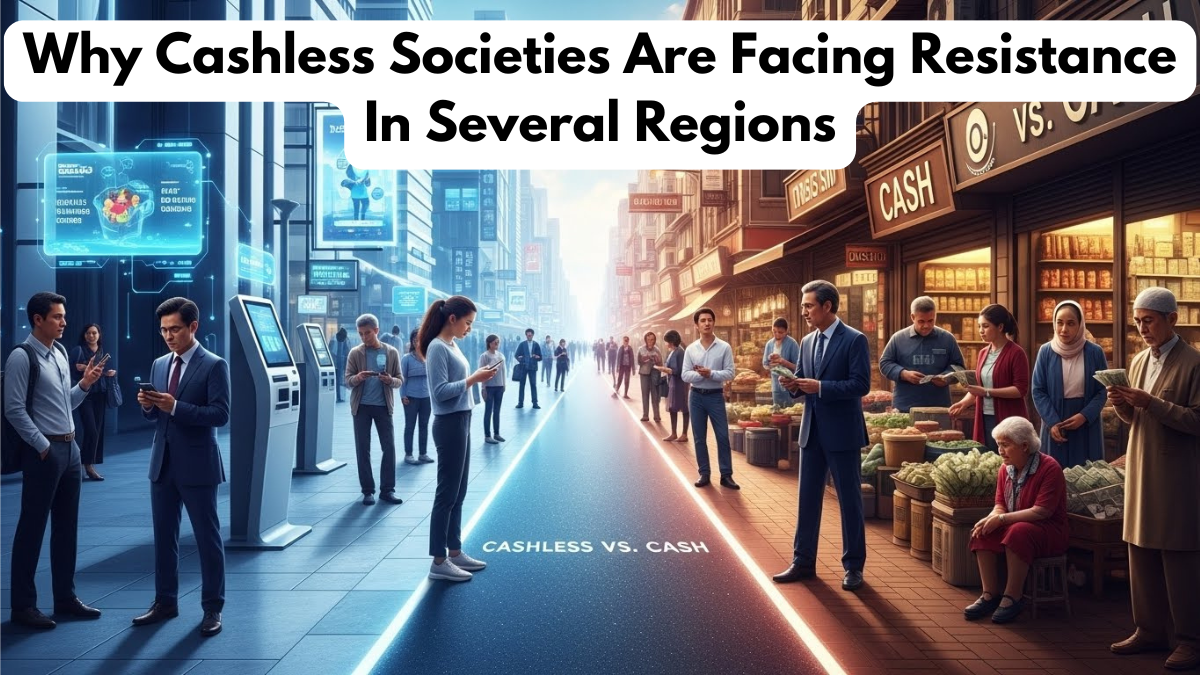
The Rapid Expansion Of Digital Payments
The global rise of digital payments has been driven by mobile technology, e-commerce growth, and policy initiatives aimed at modernizing economies. Contactless cards, mobile wallets, and instant transfers promise convenience and speed, encouraging merchants to reduce reliance on cash. In urban centers, digital payments are increasingly the default option, reshaping consumer behavior and business operations.
However, the pace of change has created friction. Not all regions have the infrastructure, connectivity, or trust required to support a fully digital system. For many people, cash remains reliable, universally accepted, and easy to use. This mismatch between technological rollout and everyday realities fuels cashless society resistance, especially where transitions feel imposed rather than inclusive.
Financial Inclusion And The Risk Of Exclusion
A central driver of cashless society resistance is concern over financial inclusion. Large segments of the population lack access to bank accounts, smartphones, or stable internet connections. Elderly individuals, low-income households, migrants, and rural communities often rely on cash for daily transactions. When digital payments become mandatory or dominant, these groups risk being excluded from essential services.
True financial inclusion requires systems that accommodate diverse needs and capabilities. Critics argue that pushing cashless models without adequate safeguards widens inequality. In regions where trust in financial institutions is low, cash provides autonomy and control. Addressing cashless society resistance therefore means ensuring that digital payments complement rather than replace inclusive options.
Privacy, Surveillance, And Trust Concerns
Privacy is another major factor behind cashless society resistance. Digital payments generate detailed records of purchases, locations, and behaviors. While data can improve services, it also raises fears of surveillance, misuse, and data breaches. For many, cash offers anonymity and protection from constant tracking.
Trust plays a critical role. Communities with histories of financial instability or government overreach may be particularly wary of cashless systems. Without strong protections and transparent governance, skepticism grows. Building trust requires clear rules on data use, robust security, and meaningful choices that preserve the option to use cash alongside digital payments.
Economic Resilience And The Role Of Cash
Economic resilience is often overlooked in discussions about going cashless. Cash functions during power outages, network failures, and emergencies when digital payments may be unavailable. Natural disasters, cyberattacks, or system outages can disrupt electronic transactions, leaving cashless systems vulnerable.
Businesses and consumers alike recognize the value of redundancy. Maintaining cash options provides continuity and stability, particularly in crisis situations. This practical consideration reinforces cashless society resistance, as people prioritize reliability over convenience. Policymakers must weigh efficiency gains against the need for resilient payment ecosystems that protect financial inclusion.
Cultural And Behavioral Dimensions
Money is deeply embedded in culture and habit. In many societies, cash symbolizes independence, budgeting discipline, and social exchange. The shift to digital payments can feel abstract or impersonal, altering how people perceive value and spending. Behavioral research suggests that tangible cash helps some individuals manage finances more responsibly.
These cultural factors intensify cashless society resistance, especially where changes challenge long-standing norms. Successful transitions acknowledge these dimensions, offering education and gradual adoption rather than abrupt mandates. Respecting choice supports financial inclusion and reduces backlash.
Key Reasons Behind Cashless Society Resistance
- Limited access to digital payments infrastructure
- Threats to financial inclusion for vulnerable groups
- Privacy and data security concerns
- Dependence on cash for resilience during outages
- Cultural preferences and budgeting habits
Table: Cash Versus Digital Payments In Everyday Use
| Aspect | Cash | Digital Payments |
|---|---|---|
| Accessibility | Universal acceptance | Requires devices and connectivity |
| Privacy | High anonymity | Data trails created |
| Resilience | Works offline | Vulnerable to outages |
| Financial Inclusion | Supports unbanked users | Can exclude some groups |
| Convenience | Simple and tangible | Fast and scalable |
Policy Approaches And Balanced Solutions
Addressing cashless society resistance does not require rejecting innovation. Instead, balanced approaches can integrate digital payments while safeguarding cash access. Policies that mandate cash acceptance for essential services, invest in digital literacy, and expand affordable banking options support financial inclusion.
Public-private collaboration is also vital. Designing user-friendly payment tools, strengthening consumer protections, and maintaining transparent oversight can build confidence. When people feel their needs and concerns are respected, resistance diminishes. A hybrid model that values choice allows digital payments to grow without marginalizing those who depend on cash.
Conclusion
The persistence of cashless society resistance reflects legitimate concerns about financial inclusion, privacy, resilience, and cultural identity. While digital payments offer undeniable benefits, a one-size-fits-all transition risks leaving many behind. Preserving cash as a viable option alongside digital alternatives strengthens trust and stability. By prioritizing inclusive design and informed policy, societies can navigate the shift toward modern payments without deepening divides or undermining public confidence.
FAQs
What is cashless society resistance?
cashless society resistance refers to opposition or hesitation toward eliminating cash in favor of digital payments.
Why do people still prefer cash?
Many value cash for privacy, accessibility, and reliability, especially during system outages.
How does a cashless shift affect financial inclusion?
Without safeguards, reduced cash use can limit financial inclusion for unbanked or vulnerable groups.
Are digital payments more secure than cash?
Digital payments can be secure but also carry risks like data breaches and surveillance concerns.
Can cash and digital payments coexist?
Yes, hybrid systems support choice, resilience, and broader financial inclusion.
Click here to know more.